How to Choose a Bulk Supplement Manufacturer: OEM Softgel Sourcing Guide
The global dietary supplement market continues to expand as consumers seek convenient, high-bioavailability, and clean-label health products. For nutraceutical brands, importers, wholesalers, and private label sellers, choosing the right bulk supplement manufacturer is more than a purchasing decision—it is a long-term supply chain strategy that affects product quality, compliance, customer trust, and business growth.
Among oral dosage formats, softgels remain one of the most commercially attractive options for oil-based nutrients, fat-soluble vitamins, botanical extracts, and specialty wellness formulas. Their advantages include improved swallowability, excellent content uniformity, strong oxygen protection, and a premium appearance suitable for retail and e-commerce markets. However, softgel manufacturing is technically demanding. Seam strength, moisture control, oxidation stability, gelatin performance, fill compatibility, and packaging conditions must all be carefully managed to avoid leakage, softening, and potency loss.
This guide explains the key factors buyers should evaluate when selecting an OEM partner. Whether you are comparing top China softgel contract manufacturers or sourcing directly from a specialized factory, the checkpoints below will help you assess quality systems, technical capability, communication efficiency, and scalability before placing an order.
1. Audit Manufacturing Certifications and Cleanroom Standards
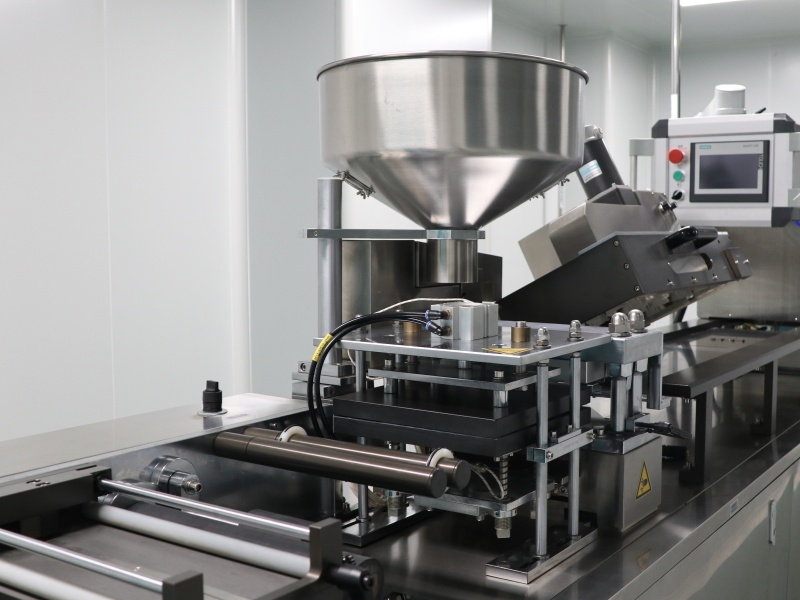
Regulatory compliance is the first line of defense against contamination, unstable products, rejected shipments, and reputational damage. When evaluating an overseas supplier, basic claims are not enough. Buyers should request current certificates, ask about audit frequency, and verify whether the facility’s production environment matches the standards required for export-oriented nutraceutical manufacturing.
A qualified China Softgel OEM Manufacturer should operate under validated cGMP conditions and maintain documented production controls across weighing, blending, encapsulation, drying, inspection, and packaging. Important credentials and quality indicators typically include:
- cGMP / ISO 22000 / HACCP: Demonstrates systematic process control, sanitation discipline, environmental monitoring, and traceable production records.
- Controlled Cleanroom Conditions: Stable temperature, filtered airflow, and regulated humidity are essential for consistent gelatin shell performance and contamination prevention.
- BSE/TSE-Free Documentation: Important when bovine gelatin is used, helping confirm material safety and traceability.
- Halal & Kosher Compliance: Valuable for products aimed at international retail, pharmacy, and region-specific distribution markets.
- Heavy Metal and Microbiological Limits: Finished softgels should comply with relevant standards for lead, arsenic, cadmium, mercury, yeast, mold, and pathogenic bacteria.
Buyers should also confirm whether the manufacturer can provide supporting export documents such as batch COAs, allergen statements, raw material traceability records, and compliance dossiers. A supplier with strong documentation discipline will usually be better prepared for customs clearance, retailer review, and long-term account support.
2. Evaluate Rotary Die Encapsulation, Drying Control & Seam Integrity
The physical quality of a softgel depends heavily on encapsulation precision and post-encapsulation drying control. Many common problems in the market—leaking seams, sticking capsules, shell collapse, or clumping inside bottles—can often be traced back to weak process management during manufacturing.
When assessing a professional China Softgel Supplement Supplier, pay close attention to its softgel machinery, shell material quality, die-line consistency, and drying environment:
- Gelatin Bloom Strength: High-grade gelatin, often in the 150–220 Bloom range depending on application, supports strong elasticity and leak resistance.
- Rotary Die Precision: Tight tooling tolerances help control shape, size, fill weight, and seam closure accuracy across large production runs.
- Seam Thickness Ratio: Proper sealing is essential to prevent oil migration and leakage during storage and shipment.
- Tumble Drying & Tunnel Drying: Controlled dehumidification prevents brittle shells, excess residual moisture, and inconsistent capsule texture.
- Sorting and Visual Inspection: Mature factories use sizing, polishing, and defect removal systems to eliminate soft, deformed, or non-uniform capsules.
For international buyers, this matters not only for appearance but also for shipping durability. Softgels may face long transit routes, warehouse temperature swings, and humid destination markets. A technically capable manufacturer should be able to explain how it manages residual moisture, shell elasticity, and packaging protection under real export conditions.
3. Assess Formulation Expertise for Standard and Specialized Actives
Not all softgel products are equally easy to manufacture. Basic oil formulations may run smoothly on standard lines, while volatile botanical oils, suspensions, paste fills, and high-potency actives require far greater formulation control. A dependable OEM partner should be capable of both high-volume staple production and technical support for customized or sensitive formulas.
High-Speed Micro-Dosing for Sleep and Wellness Formulas
Products such as Bulk Melatonin Softgel Capsules require accurate low-dose distribution across every unit. This calls for precision liquid suspension systems, controlled blending, and validated dosing accuracy to ensure one capsule does not vary meaningfully from the next. For sleep support products, even small inconsistencies can affect label claim reliability and customer confidence.
Volatile Botanicals and Essential Oil Stability
Botanical oil products such as OEM Oregano Oil Softgels present additional challenges. These formulas often require cold blending, antioxidant protection, compatibility testing with shell materials, and reliable active marker analysis such as carvacrol standardization. Without proper handling, aroma loss, oxidation, shell softening, or reduced potency may occur over time.
A strong R&D-oriented manufacturer should also be able to discuss carrier oil options, suspension stability, viscosity management, shell material selection, and whether a formula is better suited to gelatin, fish gelatin, or vegetarian shells. If a supplier cannot explain these formulation details clearly, it may not be the right choice for specialized product development.
4. Request Pilot Samples, Stability Data & Formula Compatibility Tests
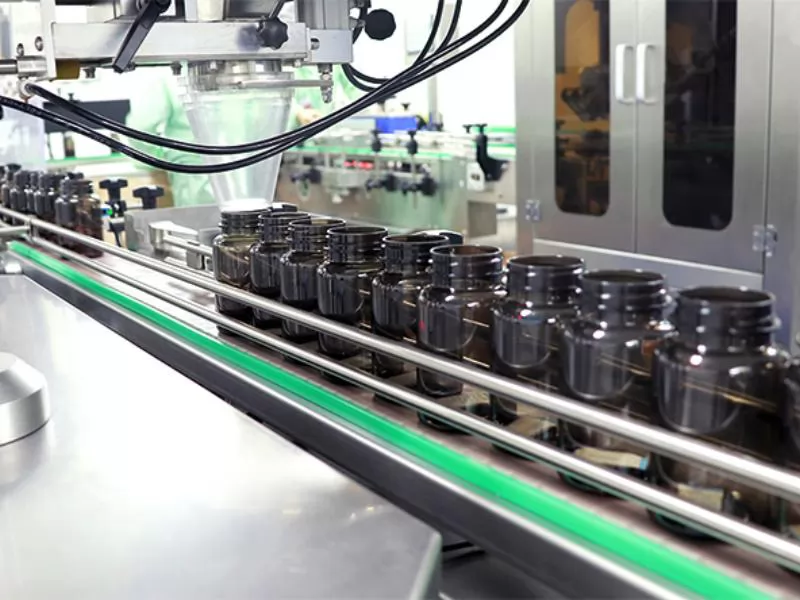
Before confirming mass production, buyers should request pilot samples and supporting validation data. Sample evaluation allows you to review capsule size, shell finish, odor, taste masking, seam quality, fill appearance, and packaging suitability before committing to a full commercial run.
This step is especially important for products containing marine oils, botanical extracts, concentrated lipids, or active ingredients prone to oxidation. A professional supplier should be able to discuss accelerated stability testing, shell-fill compatibility, moisture migration risk, and packaging recommendations for your target market.
- Pilot Batch Verification: Confirms whether the sample matches the intended commercial specification in color, shell texture, fill behavior, and overall presentation.
- Accelerated Stability Studies: Helps estimate how the formula may perform under heat, humidity, and long transportation cycles.
- Oxidation Monitoring: Particularly important for fish oil, vitamin oils, and essential oil products where peroxide and anisidine values may rise over time.
- Packaging Compatibility Review: Determines whether the product is best supplied in bulk lined cartons, blister packs, or retail bottles with desiccants and induction seals.
Factories with mature OEM/ODM capabilities are usually better equipped to guide clients through this validation stage, from formula optimization and pilot sampling to packaging design and export readiness.
5. Review MOQ Flexibility, Lead Times & Manufacturing Scalability
Even technically excellent factories may not be the best fit if their order structure does not match your business model. Some buyers need low-risk launch quantities, while others require stable high-volume replenishment. Understanding the supplier’s MOQ policy, production lead time, and scaling ability helps avoid delays and unnecessary inventory pressure.
For many growing health brands and marketplace sellers, flexible order entry points are essential. Our standard MOQ starts from 1,000 bottles per SKU, which is suitable for supplement brands, Amazon sellers, importers, and professional buyers looking for stable manufacturing support. This allows businesses to validate market demand while still working with a serious factory environment.
When building a relationship with a China Bulk Softgel Supplier, buyers should confirm:
- MOQ Structure: Whether the supplier can support trial orders, standard production runs, and scale-up volumes without sacrificing consistency.
- Sampling Lead Time: The expected timeline for pilot samples, revisions, and approval before commercial production.
- Mass Production Turnaround: Realistic scheduling for blending, encapsulation, drying, packaging, quality release, and freight booking.
- Scalable Capacity: Ability to support recurring orders as your SKU grows from test launch to regional or international distribution.
A strong supply partner should also be transparent about seasonal production planning, packaging material lead times, and how reorders are prioritized. Predictable delivery schedules are just as important as competitive pricing, especially for brands selling through retail promotions, Amazon replenishment cycles, or import distribution contracts.
6. Check Bulk Packaging Standards, Export Documentation & Logistics Support
Softgel manufacturing quality can still be compromised if packaging and logistics are weak. Oil-filled capsules are sensitive to heat, moisture, compression, and prolonged storage conditions. For this reason, export-grade protection should be treated as part of the quality system—not as a secondary concern.
When comparing suppliers, review how they handle bulk staging, master carton design, pallet wrapping, and freight support. Buyers working with a China softgel supplement supplier should ask whether each shipment includes full documentation and whether packaging is optimized for ocean freight, air cargo, or local bottling operations.
- Bulk Carton Protection: Double food-grade PE liners, heavy-wall corrugated cartons, and moisture control systems help prevent clumping and shell deformation.
- Retail Packaging Readiness: Bottling, induction sealing, labeling, blistering, and secondary carton support may be necessary for finished goods.
- Analytical Dossiers: Batch-specific COA, assay data, microbiological reports, and heavy metal test results should accompany shipments.
- Export Documentation: Support for customs paperwork, HS code references, compliance files, and specification sheets improves clearance efficiency.
If your business model includes local packaging, the supplier should also advise on storage conditions after arrival, recommended bottling timelines, and best practices for maintaining capsule quality during repacking.
7. Watch for Common Red Flags When Comparing Suppliers
Attractive pricing alone should never be the deciding factor. Softgel production has too many technical variables for buyers to rely solely on quotations. In many cases, the most expensive problems appear only after the goods are shipped: leaking capsules, odor drift, oxidation, sticky surfaces, inconsistent fill weights, or incomplete documents for customs and retail listing.
- Unverified Certifications: Claims of cGMP or export readiness without valid certificates or recent audit evidence.
- Incomplete Testing Reports: No recent COA, microbiological report, or heavy metal data available for reference.
- Sample-to-Bulk Inconsistency: Pilot samples look acceptable, but final production differs in shell quality, odor, or appearance.
- Unclear Raw Material Traceability: The factory cannot clearly explain ingredient origin, gelatin type, carrier oils, or active standardization methods.
- Weak Communication: Slow response time, vague answers, or difficulty confirming technical details and timelines.
Professional buyers usually prefer suppliers that are transparent, technically responsive, and willing to explain their production process in detail. In B2B supplement sourcing, clarity is often a stronger sign of reliability than a low initial quote.
8. Use a Practical Evaluation Matrix Before You Place an Order
To make sourcing decisions more objective, use a structured comparison sheet when reviewing potential manufacturers. This helps ensure that commercial terms, technical standards, and compliance issues are evaluated together rather than in isolation.
| Evaluation Metric | Key Verification Requirement |
|---|---|
| Cleanroom & Facility | cGMP / ISO 22000 certified, controlled HVAC systems, documented sanitation and process monitoring |
| Encapsulation Line | Modern rotary die equipment, strong seam control, stable drying tunnels, low defect rate |
| Formulation Capability | Experience with standard oils, melatonin micro-dosing, essential oils, suspensions, and vegetarian softgels |
| Testing & Documentation | COA, HPLC/GC or equivalent potency data, heavy metal reports, microbiology reports, traceability files |
| MOQ & Commercial Fit | Flexible entry level from 1,000 bottles per SKU, clear lead times, scalable reordering options |
| Packaging & Logistics | Bulk export liners, bottling options, desiccant use, palletization, customs and freight coordination |
| Communication Quality | Responsive account management, clear technical explanations, efficient sampling and revision process |
Partnering with Wright Life
Choosing the right OEM softgel manufacturer is a strategic investment in your brand’s quality, compliance, and long-term profitability. The strongest suppliers do more than simply produce capsules—they help protect your formula stability, streamline your sourcing workflow, and support your product growth from pilot launch to repeat commercial orders.
As a professional health supplement manufacturer, Wright Life offers end-to-end support across formulation development, softgel encapsulation, packaging, testing, and export coordination. Through our OEM/ODM services, we support bulk supply, private label production, and customized wellness formulas for global buyers seeking dependable manufacturing partnerships.
Whether you need stock bulk softgels, custom sleep support products, or specialized botanical oil softgels, our team can help you evaluate the right dosage form, packaging model, and production plan for your market. By prioritizing validated quality systems, stable softgel technology, flexible MOQs, and transparent communication, you can reduce sourcing risk and build a more reliable supplement supply chain.
0
Comments
Leave a Comment
Your email address will not be published. Required fields are marked *
Name can't be empty
Email error!
Message can't be empty
😍
😜
😳
😌
😄
😘
😝
😒
😃
😚
😚
😛
😟
😧
😀
😉
😓
😱
😤
😣
😂
😥
😩
😠
😢
😭
😰
😨
😡
😆
😪
😅
😐
😇
😋
😴
👿
😕
😏
😷
😵
😟
😮
😯
😑
👧
👴
😧
😬
😾
👶
👱
👵
👸
🙀
👺
👦
👩
👨
😽
😿
🙈
💩
💥
💤
😼
😹
🙉
🔥
✨
💦
👎
✌
👆
👈
💪
💹
👍
👊
💴
💶
💷
💸
👉
💵
🙏
🌎
🏧
👏
💳
👇
💑
🙆
🙅
💁
👫
👭
🙎
🙇
👑
👔
Submit Comment
Most Popular
-
 Aug 19, 2026Top 10 Private Label Supplement Manufacturers in the USA (2026 Guide)
 -
 Jun 28, 2026Top China Supplement Manufacturers 2026: Ranking by Quality, Cost & Reliability
 -
 Jul 13, 2026Top 10 Private Label Softgel Manufacturers: The Ultimate Guide for Supplement Brands
 -
 Jul 22, 2026Top 10 softgel manufacturer in USA(2026 Guide)


Laster Blogs
-
 Sep 11, 2026CoQ10 Softgel Manufacturing Guide: Formulation, Bulk Production, Wholesale and Manufacturer Selection
 -
 Sep 11, 2026Top 10 Organic Capsule Manufacturers for Supplement Brands in 2026
 -
 Sep 09, 2026Oregano Oil Softgel Manufacturing Guide: Formulation, OEM Production, Bulk Supply and Manufacturer Selection
 -
 Sep 09, 2026Health Industry Technology Innovation Excellence Award Ceremony


Set A Consultation Today
Name can't be empty
Email error!
Send Your Message
*We respect your confidentiality and all
information are protected.